
Falls can affect more than physical safety. They may also change an older person’s confidence, daily routines and willingness to leave home. For older adults and families in Singapore, this guide explains what to look out for, when to seek professional assessment, and how rehabilitation may support fall prevention and participation in everyday life.
It might start with a hand reaching for the furniture on the way to the bathroom. A parent begins asking someone to accompany them to the nearby market, hesitates at the bathroom entrance or stops joining their usual walks around the neighbourhood.
For families in Singapore, these changes may become noticeable during familiar routines: getting around an HDB flat, walking to the hawker centre or taking public transport. You may wonder whether to offer more assistance, encourage your loved one to continue or arrange an assessment.
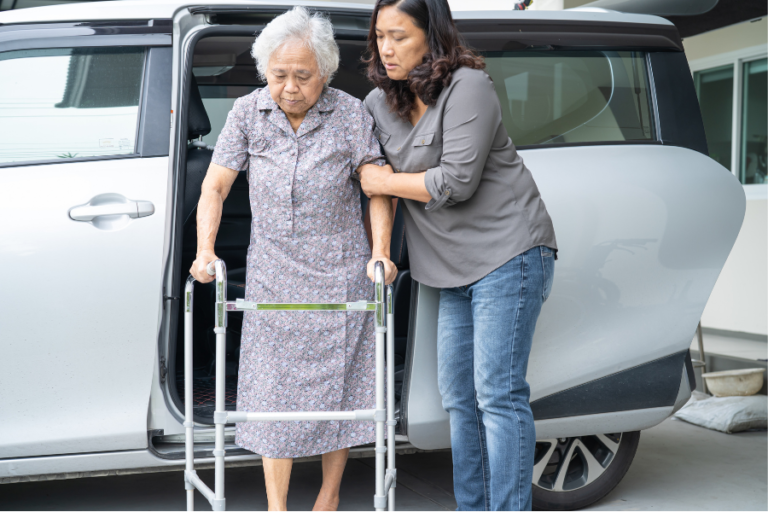
Caregiver support can help older adults feel more confident during everyday outings
A fall can cause an injury, but its effects may extend beyond the immediate incident. Worry about falling again can lead an older person to avoid activities they previously enjoyed. Understanding both their physical difficulties and their concerns is a useful starting point.
This article explores fall prevention in older adults in Singapore through everyday situations. It explains how falls and fear of falling can affect daily life, what families can discuss with a professional, and how an individual rehabilitation assessment can guide support for mobility, daily activities and personal goals.
Why Should Falls Be a Concern for The Elders ?
A fall can cause more than a minor bruise. It may lead to a serious injury requiring hospital treatment and a prolonged recovery. Older adults with osteoporosis – a condition that weakens bones and makes them more likely to break – can suffer a fracture even after a fall from standing height.
Understanding which parts of the body are vulnerable helps explain why fall prevention deserves attention.
- Spine and back: A fall may cause fractures in the bones of the spine, particularly when osteoporosis has weakened them. These injuries can cause back pain and, in some cases, changes in posture.
- Hips: Landing on the side may cause a hip fracture. This is a serious injury that usually requires hospital treatment.
- Wrists and arms: Reaching out to break a fall can place considerable force on the wrists and arms, potentially causing fractures.
- Head and brain: Hitting the head can cause a head or brain injury. Prompt medical assessment is important, especially for someone taking blood-thinning medication.
- Ankles and legs: Twisting during a fall or landing heavily may cause fractures or other injuries affecting the lower limbs.
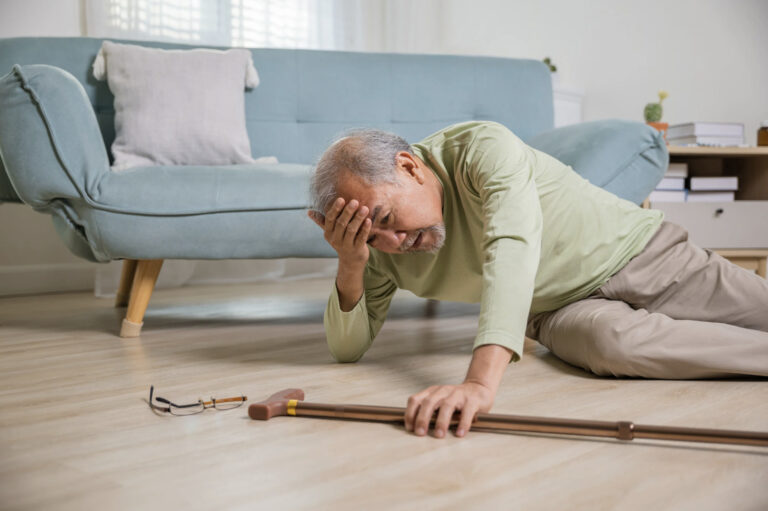
Old people may feel less confident about moving around independently
Understanding Fall Prevention in Older Adults
Fall prevention involves understanding what may make a fall more likely and addressing the factors relevant to each person. These may include physical abilities, health concerns, everyday activities and the surrounding environment. The person’s confidence also matters, particularly when worry about falling starts to influence what they feel able to do.
What Does Fall Prevention Involve?
Fall prevention means identifying factors that could contribute to a fall and addressing those that can be changed. Depending on the individual, this may involve appropriate exercise, a medication review, vision care, changes to the surroundings, or guidance on daily activities.
A fall is not simply something to accept because a person is older. It is worth understanding what happened and whether there are difficulties that need attention. Prevention can also begin before a fall occurs, when someone notices changes in balance or mobility.
What Factors May Contribute to Falls?
Everyday movement relies on several systems working together. Muscles provide strength, vision helps identify obstacles, and the body’s balance systems help maintain stability as we move. Difficulties in one or more areas can make a familiar task more demanding.
Factors worth discussing with a healthcare professional include:
- Reduced strength or difficulty standing from a chair.
- Feeling unsteady when walking or turning.
- Dizziness, including when getting up from sitting or lying down.
- Changes in vision or difficulty seeing steps and obstacles.
- Foot problems or footwear that does not fit securely.
- Medicines that may cause dizziness, drowsiness or confusion.
- Health conditions that affect movement or awareness.
The environment can add to these difficulties. A wet floor or poorly lit route may present a different challenge to someone whose balance has changed. Looking at both the person and
the setting helps build a fuller picture. Discuss medication concerns with a doctor or pharmacist; do not change prescribed medicines independently.
How Does Fear of Falling Fit into Fall Prevention?
After a fall or near fall, it is understandable to become more cautious. But when worry leads someone to avoid more activities, their world can start to feel smaller. Walking less may gradually reduce strength and stamina, making movement feel harder still.
The answer is not to dismiss the fear or insist that the person simply try harder. Understanding what feels unsafe allows a professional to consider both physical abilities and confidence. An appropriate plan can then identify manageable activities and the support needed to attempt them.
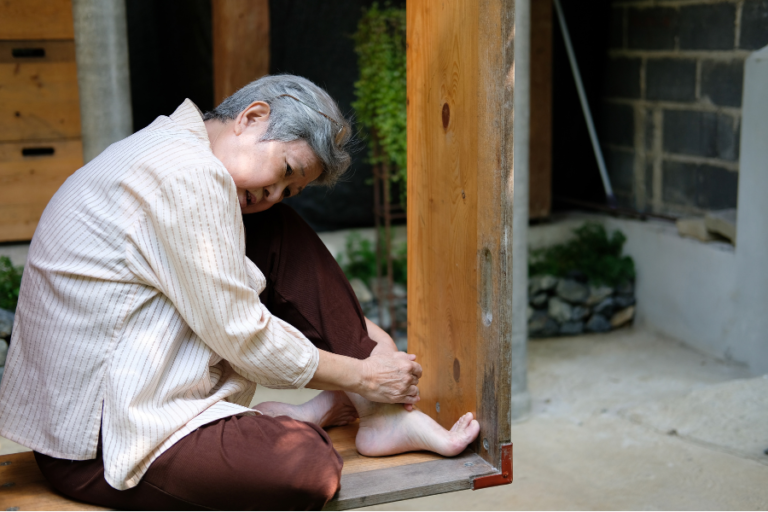
Discussing situations that feel difficult is a useful starting point
How Can Falls and Concerns About Falling Affect Daily Life?
Everyday activities can feel different when an older person becomes worried about falling. They may move more cautiously, ask for additional help or avoid routines they previously managed independently. Understanding where these changes occur—at home, during personal care or when going out, helps families explain their concerns during an assessment.
Moving Around the Home
Standing from the dining chair, turning towards the kitchen and carrying a drink place different demands on movement. A person may manage one activity comfortably but struggle with another. Reaching for nearby furniture may indicate that they do not feel steady.
Notice where extra assistance is needed. Is the difficulty getting up, taking the first few steps or changing direction? These details help connect an assessment to the routines that need attention.
Managing Bathing and Personal Care
The bathroom brings together reaching, turning, handling clothing and moving across different surfaces. A routine may become difficult when strength or balance changes. Someone may start waiting for a family member before showering or need help with parts of dressing.
Understanding the task matters as much as identifying the room. Feeling unsteady when reaching for a towel involves different demands from difficulty standing up from the toilet. Occupational Therapy can consider how the activity, the person and the surroundings interact.

Bring medication concerns to a doctor or pharmacist
Going Out and Staying Connected
Walking to a nearby shop involves more than covering a distance. There may be doorways, kerbs, surface changes and other people to navigate. In Singapore, a trip through an HDB estate or to a hawker centre can involve several of these demands within a short journey.
When outings become worrying, people may turn down invitations or depend on someone to accompany them. Rehabilitation goals can reflect activities they want to maintain, whether attending a family meal or returning to a neighbourhood routine.
When Should You Seek Professional Support?
You do not need to wait for a serious fall before raising a concern. Changes in walking, repeated stumbles or increasing reliance on assistance are worth discussing with a healthcare professional. A previous fall should also be reported, even if the person feels they have recovered.
Consider seeking advice when you notice:
- A fall or repeated near falls.
- New or worsening difficulty with balance or walking.
- Dizziness, fainting or an unexplained change in function.
- Increasing difficulty getting up or managing personal care.
- Avoiding activities because of a fear of falling.
- Uncertainty about helping someone move safely.
A doctor can investigate possible medical contributors, while rehabilitation assessment can explore movement and daily activity needs. The appropriate next step depends on what has changed. Sudden symptoms or possible injury require medical assessment rather than waiting
for therapy.
How Can Rehabilitation Support Fall Prevention?
Rehabilitation begins with understanding how the person moves, which activities feel difficult and what they want to continue doing. The assessment helps guide an individual plan that may include strength and balance training, practice with everyday tasks, and advice for family members or caregivers. Progress is reviewed against the person’s abilities, concerns and meaningful daily goals.
Assessing Home, Mobility, Balance and Everyday Concerns
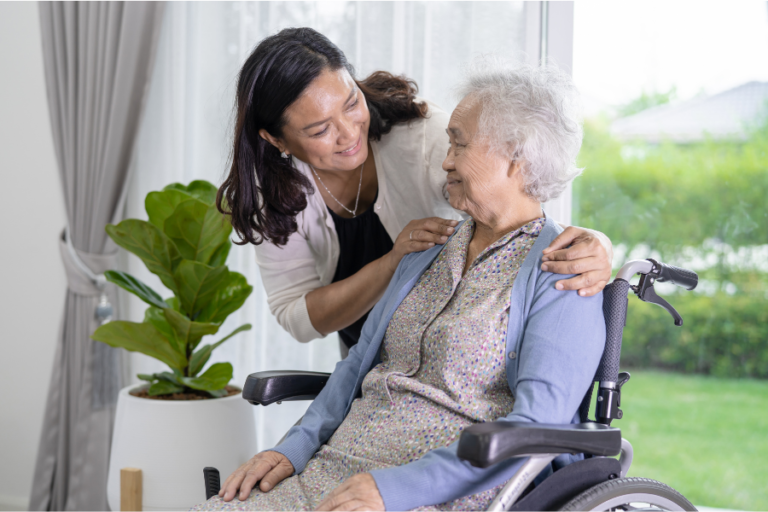
Understanding an older person’s concerns and home environment helps identify their support needs
An individual assessment helps identify where difficulties arise. A physiotherapist may examine walking, balance, strength and movements such as standing from a chair. An occupational therapist may explore how the person manages daily activities and when help is needed.
Where appropriate, a home assessment may also be considered to understand how the surroundings affect safety and movement. This may include reviewing lighting, floor surfaces, bathroom access, furniture placement and the space available for walking aids.
Previous falls, current equipment, relevant health information and personal concerns help put these findings into context. Where findings suggest a medical issue, further review may be recommended.
Setting Meaningful Activity Goals
“I want to feel steadier” is a useful starting point. A rehabilitation plan can make that goal more specific: getting from the dining chair to the living room, managing a morning routine or walking a suitable route with agreed support.
Goals should reflect the older person’s priorities and assessed abilities. This gives sessions a clear purpose and helps families understand what the plan is working towards. The appropriate level of independence differs between individuals.
Planning Individualised Strength and Balance Training
Strength and balance training can form part of fall prevention when appropriate to the person’s needs. A physiotherapist can select suitable activities, explain the support required and adjust the programme as abilities change.
Training may involve movements relevant to daily function, such as standing, stepping or changing direction. The challenge, pace and supervision should suit the individual. An exercise appropriate for one person may be unsuitable for someone with different health or mobility needs.
A personalised programme provides clearer guidance than simply being told to exercise more. Ask what to practise between sessions, how to do it safely and when to stop and seek advice.
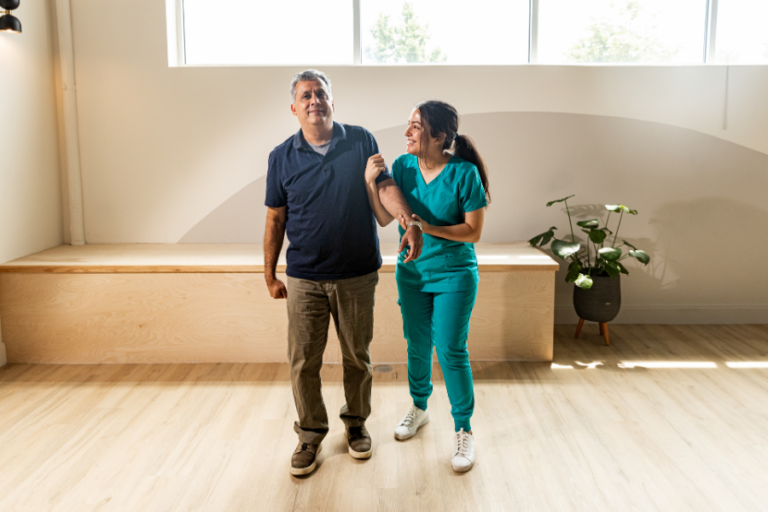
Exercise should suit individual needs
Considering Daily Activities and the Environment
Occupational Therapy can explore practical ways to manage routines that have become difficult. This may include how a task is organised, where frequently used items are kept and whether equipment or environmental changes should be considered.
Keeping routes clear, addressing spills and improving lighting are useful general measures. Other decisions, such as choosing a walking aid or installing bathroom supports, need individual consideration. Suitability, positioning and safe use all matter.
Families should also understand how much assistance to provide. A professional can discuss support for particular activities, rather than leaving caregivers to guess or copy techniques seen online.
Addressing Fear of Falling and Building Confidence
Fear deserves a place in the rehabilitation conversation. Ask which part of an activity feels worrying and what the person thinks might happen. Their answer can guide discussions about practice, supervision and realistic goals.
Supported practice of relevant activities may help someone become more familiar with movements they have started avoiding. Persistent anxiety may need input from another qualified professional. Confidence should be considered alongside function; feeling reassured does not mean every risk has disappeared.
Reviewing Progress and Adjusting Support
Progress is best discussed in relation to personal goals. Is the person managing the chosen activity differently? Is the same amount of help still needed? Have there been further stumbles, falls or health changes?
Regular review provides an opportunity to adjust the plan. It helps the older person and family understand what to continue, what needs more support and when another assessment may be appropriate.
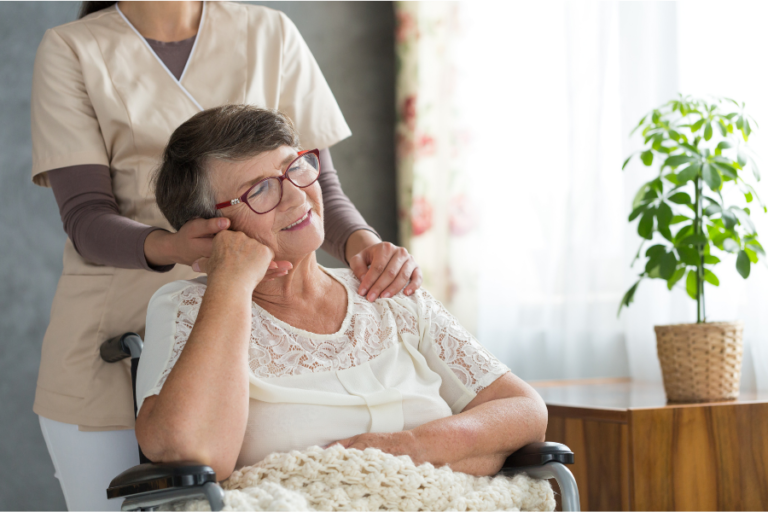
Listen to concerns and involve the person in decisions
What Can Families Prepare and Discuss?
A few clear observations can make an appointment more useful. Write down where difficulties occur, what the person is doing and what assistance they need. Include falls or near falls, symptoms such as dizziness and activities they have started avoiding.
Bring relevant health information, a medication list and details of equipment. Ask the older person which activities matter most. Their priorities may differ from the family’s first concern, and both deserve discussion.
Useful questions include:
- What might be contributing to the difficulty?
- Is further medical review needed?
- What assistance should we provide during daily activities?
- Which activities are appropriate between appointments?
- How will the plan and progress be reviewed?
Avoid asking someone to repeat a movement that appears unsafe just to demonstrate the problem. A description is a suitable starting point for deciding what should be assessed.
Relevant Support at Synergy Day Rehab
At Synergy Day Rehab Centre in Singapore, Physiotherapy and Occupational Therapy support people with movement and everyday activity needs. Our focus on neurological rehabilitation and geriatric care connects therapy with routines that matter to the individual.
For an older adult concerned about falls, Physiotherapy may address assessed needs related to strength, balance and walking. Occupational Therapy may address personal care, daily routines and practical strategies for participation. Recommendations depend on the person’s needs, and medical input may also be necessary.
If you are exploring elderly rehabilitation for a parent, start with changes you have noticed and activities they want support with. This gives the team a practical starting point for discussing appropriate services and assessment.
Take the Next Step Towards Safer Daily Activities
A hesitation at a doorway or a change in walking is worth understanding. Identifying difficulties gives families an opportunity to discuss support before routines become harder to manage.
Fall prevention should reflect the person: their health, abilities, surroundings and priorities. A personalised rehabilitation assessment can help clarify needs and guide the next steps towards safer everyday participation.
Contact Synergy Day Rehab to discuss concerns about falls, balance and everyday activities.